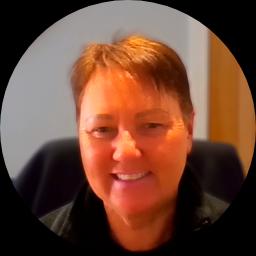
Counsellor profile United Kingdom
Karen Bell, BACP
Counsellor - stress and trauma support
See online counselling options- Person centred approach
- Trauma and PTSD work
- Parenting and family concerns
About Karen
Karen Bell is a counsellor and a member of the British Association for Counselling and Psychotherapy (BACP) with 18 years' experience. She lists stress, anxiety, addictions, relationship difficulties, trauma and abuse, depression, LGBT concerns, family matters, grief, intimacy issues, eating and sleeping problems, parenting, anger, self-esteem, career worries and ADHD among the areas she works with.
She has worked in GP surgery settings and with trauma services, and has experience supporting people who have been suicidal, self-harmed or experienced child sexual abuse. Her background also includes occupational health counselling for a police service where she supported colleagues with trauma, stress and work-related concerns.
Karen uses person‑centred ways of working combined with other approaches, and describes herself as prioritising how a person feels in sessions. She invites people to bring what they are dealing with and says that nothing brought to a session is judged.
Practical issues are part of the work she offers. She discusses coping habits and addictions openly and will listen to concerns about gaslighting or narcissistic abuse. She is clear that people of any gender, sexuality, culture or religion can access her service and that she welcomes those on the autism spectrum or with ADHD.
Sessions are described as including chat, phone and especially video. Fees vary by location and use a subscription model that can be cancelled at any time. To start, she asks people to complete a short matching questionnaire and schedule a first session.
How her approaches work for online counselling
Karen uses a person‑centred way of working alongside other methods such as Cognitive Behavioural Therapy (CBT) and Eye Movement Desensitisation and Reprocessing (EMDR). Person‑centred work focuses on listening carefully and supporting a person to make sense of how they feel, which can help with low mood, relationship worries and parenting stress.CBT offers practical steps to spot and change unhelpful thinking and behaviour patterns, and is often used for anxiety, stress and sleep or eating difficulties. EMDR is a trauma‑focused approach that helps process distressing memories and can be used when past events continue to affect day‑to‑day life.
Finding the right approach is part of the work. Karen will discuss options and help clients choose a method that fits their needs, goals and preferences. That decision is collaborative and can change as therapy progresses.
Her profile lists chat, phone and especially video as session formats. Please confirm the exact formats available before booking. Online sessions can make it easier to fit counselling around work, childcare and daily commitments, allow a shorter check‑in when needed, and let people use video or audio according to what they prefer.
Areas of expertise
Primary focus
Also works with
Additional focus areas
Therapeutic approaches
Experience
18+ years
Listed in
United Kingdom
Languages
English
Frequently asked questions
What kinds of problems does she help with?
She works with stress, anxiety, addictions, relationship difficulties, trauma and abuse, depression, parenting concerns and a wide range of other issues listed on her profile.
What is her therapeutic style?
She uses a person‑centred (Rogerian) style and combines that with other approaches named on her profile to focus on what clients bring to sessions.
How much experience does she have?
She has worked in counselling for 18 years, including roles in GP surgery settings, trauma services and as an occupational health counsellor for a police service.
Which professional body is she a member of?
She is a member of the British Association for Counselling and Psychotherapy, shown as BACP.
Does she work in other languages or with international clients?
Sessions are offered in English and she does not accept international clients.
What session formats does she use?
Her profile mentions chat, phone and video sessions, with particular emphasis on video. Confirm the current session options before booking.
How are fees handled?
Fees vary with location and sessions use a subscription model that can be cancelled at any time.
How do I begin a course of counselling?
Start by selecting the See online counselling options button, complete a short matching questionnaire and then schedule a first session.
Details come from information the counsellor supplied to BetterHelp. A membership or registration can be checked on the professional body's own register.